
Hi there
If you’ve ever felt like your body just doesn’t respond the same way it used to, even when you’re eating well and staying active, you’re not alone.
This week on Integrate Yourself Podcast, I’m talking about body recomposition, what it means, why it feels harder after 40 and how to actually see results without overcomplicating things.
Listen To The Full Episode Here!
So many people ask me…
What is body recomposition?
Body recomposition is all about losing body fat while maintaining or building lean muscle mass.
It’s less about the number on the scale and more about how your body feels, functions and reshapes as you build muscle.
You can look and feel leaner and stronger without your weight changing much at all. And you can lose weight without losing muscle.
Maintaining lean muscle mass as you age helps:
-
Support a healthy metabolism
-
Improve overall health and hormonal balance
-
Enhance mobility and independence
Why It Gets Harder After 40
During peri-menopause and menopause, estradiol which supports muscle growth and progesterone which reduces inflammation, begin to decline. And this happens with men too as their testosterone declines.
This means your body becomes more sensitive to stress and weight changes can happen even if your habits haven’t.
The solution isn’t to necessarily do more or eat less, it’s to shift your focus.
That might mean:
-
Eating a little less in each meal but more frequently - Spreading your calories out throughout your day
-
Adjusting your macros
-
Using your workouts to support muscle and tendon strength
-
Cutting out the alcohol
-
Going to bed earlier
Because since you’re not producing the anabolic growth hormones you used to, you now have to create that anabolic, anti-inflammatory effect through your lifestyle: Your nutrition, strength training and stress management.
The Three Main Keys To Body Recomposition:
-
Consistency: Implement weekly strength training (start with 2 days a week and work up to 3 to 4)
-
Tracking: Pay special attention to your protein intake. It’s essential for recovering and building muscle.
-
Awareness: Becoming aware of how you feel
Although this hormonal shift is temporary, it’s laying the foundation for lasting success by teaching you to prioritize your lifestyle choices. You can even come out on the other side of this feeling even better than you have in a while like I did.
The Emotional Side of Recomposition
Body recomposition isn’t just physical, it’s emotional.
Old stories about your body or your relationship with food may come up.
Instead of judging yourself, try to view food tracking and awareness as information, not criticism.
When you give yourself space to process what comes up, you create a deeper connection with your body and begin to trust it again.
My Final Thoughts…
Body recomposition after 40 is about truly listening to your body’s needs, nourishing it wisely, and meeting yourself exactly where you are.
In other words, it’s about fine-tuning your lifestyle and prioritizing you.
You don’t need to overhaul your entire life, just take one intentional step toward greater awareness and personal alignment.
Listen to the full episode in greater depth here!
In health and happiness,
Allison

You’ve injured your knee, now what?
I work with many clients who’ve been right where you are. When you’re injured, it can feel overwhelming to know what to do next, but the truth is, recovery can be simple.
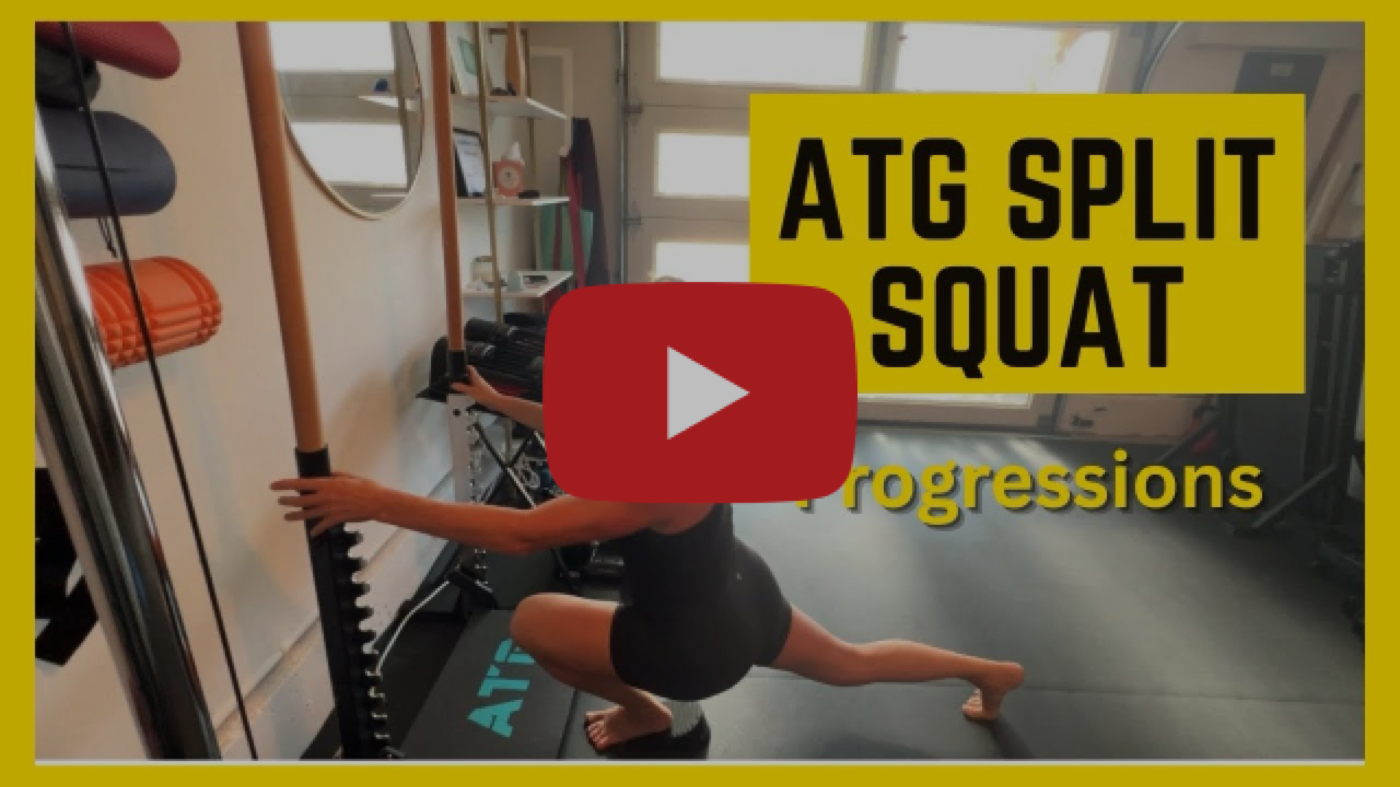
Watch my video below to learn my 5-step protocol for effective knee recovery.
Ready to Thrive, Not Just Survive?
Join the Finally Thriving Community — a powerful space for 40+ to build strength, longevity and radiant health from the inside out.
✨ Monthly workouts
✨ Holistic coaching
✨ Supportive community
Become the strongest, most vibrant version of YOU!
Keep Reading
Back to the blog